
The Evolution of Tattoo Art: From Needle to Experience

Tattoo art has undergone a remarkable transformation over the centuries, evolving from a form of body modification into a celebrated cultural phenomenon. Today, tattoos are not just about ink on skin; they represent personal stories, artistic expression, and even social movements. This blog post will explore the rich history of tattoo art, its cultural significance, and the modern experiences surrounding it.
The Ancient Roots of Tattooing
Tattooing dates back thousands of years, with evidence found in ancient civilizations across the globe. The oldest known tattooed human remains belong to Ötzi the Iceman, a naturally mummified man from around 3300 BCE found in the Alps. His body featured 61 tattoos, primarily consisting of simple lines and crosses, believed to have been used for therapeutic purposes.
Cultural Significance in Ancient Societies
In many ancient cultures, tattoos served as symbols of status, identity, and spirituality. For instance:
Polynesian Cultures: Tattoos were integral to identity and social status. The word "tattoo" itself comes from the Polynesian word "tatau," which means to mark something. Each design told a story about the individual's lineage and achievements.
Egyptian Society: Tattoos were often associated with women and were believed to have protective qualities. Mummies have been found with intricate tattoos that likely held religious significance.
Japanese Irezumi: This traditional form of tattooing dates back to the Edo period and is characterized by elaborate designs that often depict mythical creatures and nature. Irezumi was historically linked to the Yakuza, Japan's organized crime syndicate, but has since gained recognition as a legitimate art form.
The Decline and Resurgence of Tattooing
Despite its rich history, tattooing faced periods of decline, particularly in the Western world. In the early 20th century, tattoos were often associated with sailors, criminals, and the lower classes. However, the latter half of the century saw a resurgence in popularity.
The Influence of Counterculture
The 1960s and 70s marked a significant turning point for tattoo art. The counterculture movement embraced tattoos as a form of rebellion against societal norms. Musicians, artists, and activists began to showcase their ink, leading to a broader acceptance of tattoos in mainstream culture.
The Role of Technology
Advancements in tattoo technology have also played a crucial role in the evolution of tattoo art. The introduction of electric tattoo machines in the late 19th century allowed for more intricate designs and faster application. Today, artists utilize a variety of tools and techniques, including:
Rotary Machines: These machines provide a smoother application and are favored by many modern tattoo artists for their precision.
Laser Technology: This has revolutionized the removal of tattoos, allowing individuals to change or erase their ink if desired.
The Modern Tattoo Experience
Today, getting a tattoo is not just about the design; it’s an experience that encompasses the entire process. From the initial consultation to the aftercare, each step is crucial in creating a meaningful piece of art.
The Consultation Process
Before getting inked, many artists conduct a thorough consultation with their clients. This process includes:
Understanding the Client's Vision: Artists discuss the design, placement, and size of the tattoo to ensure it aligns with the client's expectations.
Explaining the Process: Artists often explain the tattooing process, including pain levels, healing times, and aftercare instructions.
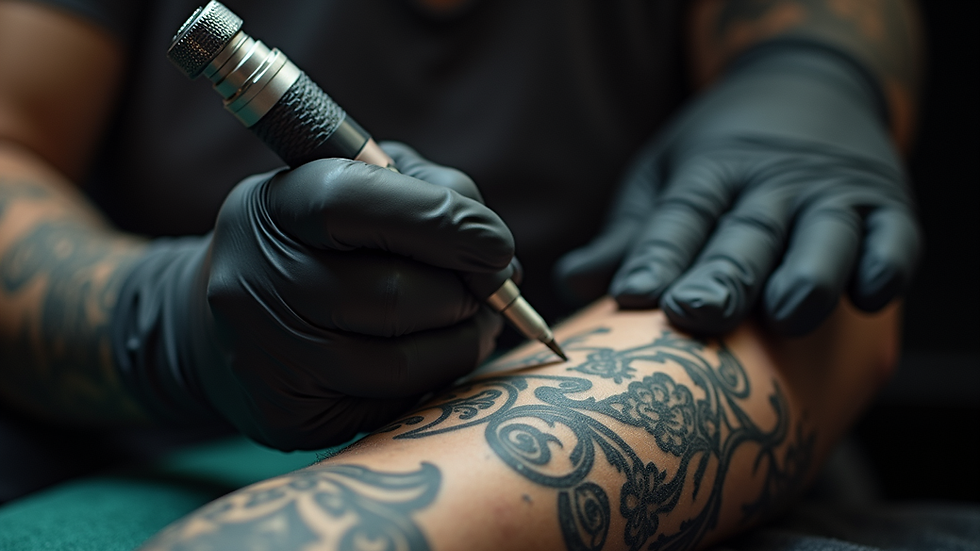
The Artistic Process
The actual tattooing process has become an art form in itself. Artists now focus on:
Custom Designs: Many tattoo artists specialize in creating unique, custom designs tailored to the individual. This personalization adds to the significance of the tattoo.
Techniques and Styles: From traditional styles like American Traditional and Japanese Irezumi to modern styles like watercolor and geometric tattoos, the variety of techniques available today allows for endless possibilities.
The Aftercare Journey
Aftercare is a critical component of the tattoo experience. Proper aftercare ensures the tattoo heals well and maintains its vibrancy. Common aftercare practices include:
Keeping the Tattoo Clean: Clients are advised to wash the tattoo gently with mild soap and water.
Moisturizing: Applying a fragrance-free moisturizer helps keep the skin hydrated and promotes healing.
Avoiding Sun Exposure: Protecting the tattoo from the sun is essential to prevent fading.
Tattoos as a Form of Expression
In contemporary society, tattoos have become a powerful form of self-expression. They allow individuals to showcase their beliefs, experiences, and identities. Here are some ways tattoos serve as a medium for expression:
Personal Narratives
Many people choose tattoos to commemorate significant life events, such as:
Memorial Tattoos: These tattoos honor loved ones who have passed away, often featuring names, dates, or symbols that represent the deceased.
Milestone Tattoos: Some individuals mark important life achievements, such as graduations or personal transformations, with tattoos that symbolize their journey.
Cultural and Political Statements
Tattoos can also serve as a canvas for cultural and political messages. For example:
Cultural Heritage: Many individuals choose tattoos that reflect their cultural backgrounds, celebrating their heritage and identity.
Social Movements: Tattoos have been used to raise awareness about social issues, such as mental health, body positivity, and LGBTQ+ rights.
The Tattoo Community
The tattoo community has grown significantly, fostering a sense of belonging among enthusiasts. Tattoo conventions, online forums, and social media platforms have created spaces for individuals to connect, share their experiences, and celebrate the art form.
Tattoo Conventions
Tattoo conventions are events where artists and enthusiasts gather to showcase their work, participate in competitions, and attend workshops. These events provide opportunities for networking and learning from industry professionals.
Online Communities
Social media platforms like Instagram and TikTok have become vital for tattoo artists and enthusiasts. Artists showcase their portfolios, while clients share their tattoo experiences, creating a vibrant online community.
The Future of Tattoo Art
As tattoo art continues to evolve, several trends are emerging that may shape its future:
Technology Integration
The integration of technology into tattooing is likely to expand. Innovations such as augmented reality (AR) could allow clients to visualize how a tattoo will look on their skin before getting inked.
Sustainability
With growing awareness of environmental issues, many artists are exploring sustainable practices, such as using eco-friendly inks and materials. This shift could lead to a more responsible approach to tattooing.
Acceptance and Normalization
As tattoos become increasingly normalized in society, we may see a shift in how they are perceived in professional settings. More workplaces are embracing tattoos, recognizing them as a form of personal expression rather than a stigma.
Conclusion
Tattoo art has come a long way from its ancient origins, transforming into a multifaceted form of expression that resonates with people across cultures and generations. As we move forward, the tattoo experience will continue to evolve, reflecting the changing values and beliefs of society. Whether you’re considering your first tattoo or are a seasoned collector, understanding the history and significance of this art form can deepen your appreciation for the ink that tells your story. Embrace the journey, and let your skin become a canvas for your unique narrative.


Comments